
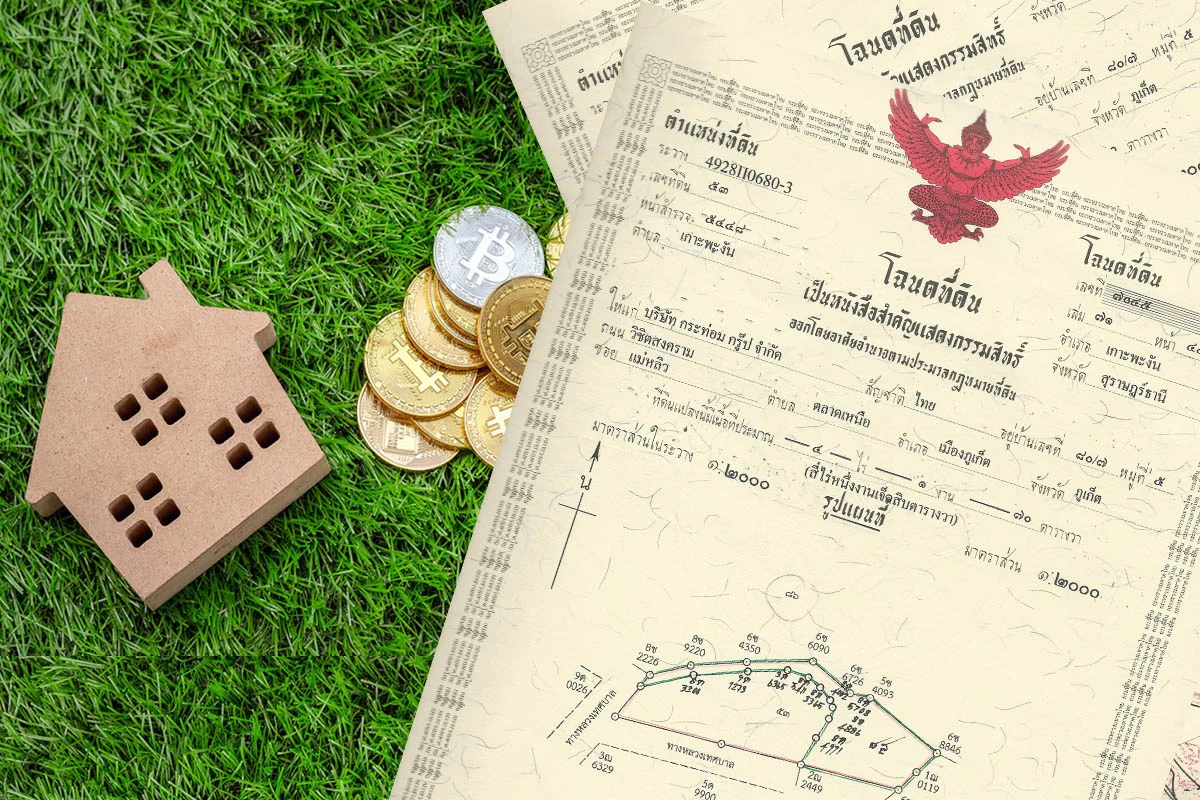
When it comes to buying property in Thailand, one of the first decisions you’ll face is whether to purchase Freehold or Leasehold. Understanding the difference is crucial — and can have a big impact on your long-term investment.
At InVillas, we recommend buying Freehold whenever possible. Here’s why:
Freehold Ownership – Be the Legal Owner
- You own the property outright — your name (or company name) is on the title deed.
- No renewal headaches — ownership does not expire like a lease.
- Easier to sell or transfer in the future, making your property more valuable and flexible.
- You can make changes, rent it out, or use it however you like (within legal zoning).
Leasehold Ownership – A Temporary Option
- You’re leasing the property for a fixed term, usually 30 years (renewals are not guaranteed).
- You do not own the land — the title remains with the landowner.
- Resale options can be limited depending on the remaining lease term.
- Banks and buyers usually value leasehold lower than freehold.
Our Support – Legal & Accounting Expertise
We work with top-tier lawyers and accounting professionals to help you structure your purchase properly, whether as a foreigner, Thai national, or under a Thai company. Depending on your situation and long-term goals, we’ll guide you on:
- Setting up a Thai company (if needed)
- Structuring ownership for investment or personal use
- Managing taxes and legal compliance
Our Advice? Go Freehold Where Possible.
It gives you full control, long-term peace of mind, and a better return on your investment.



Join The Discussion